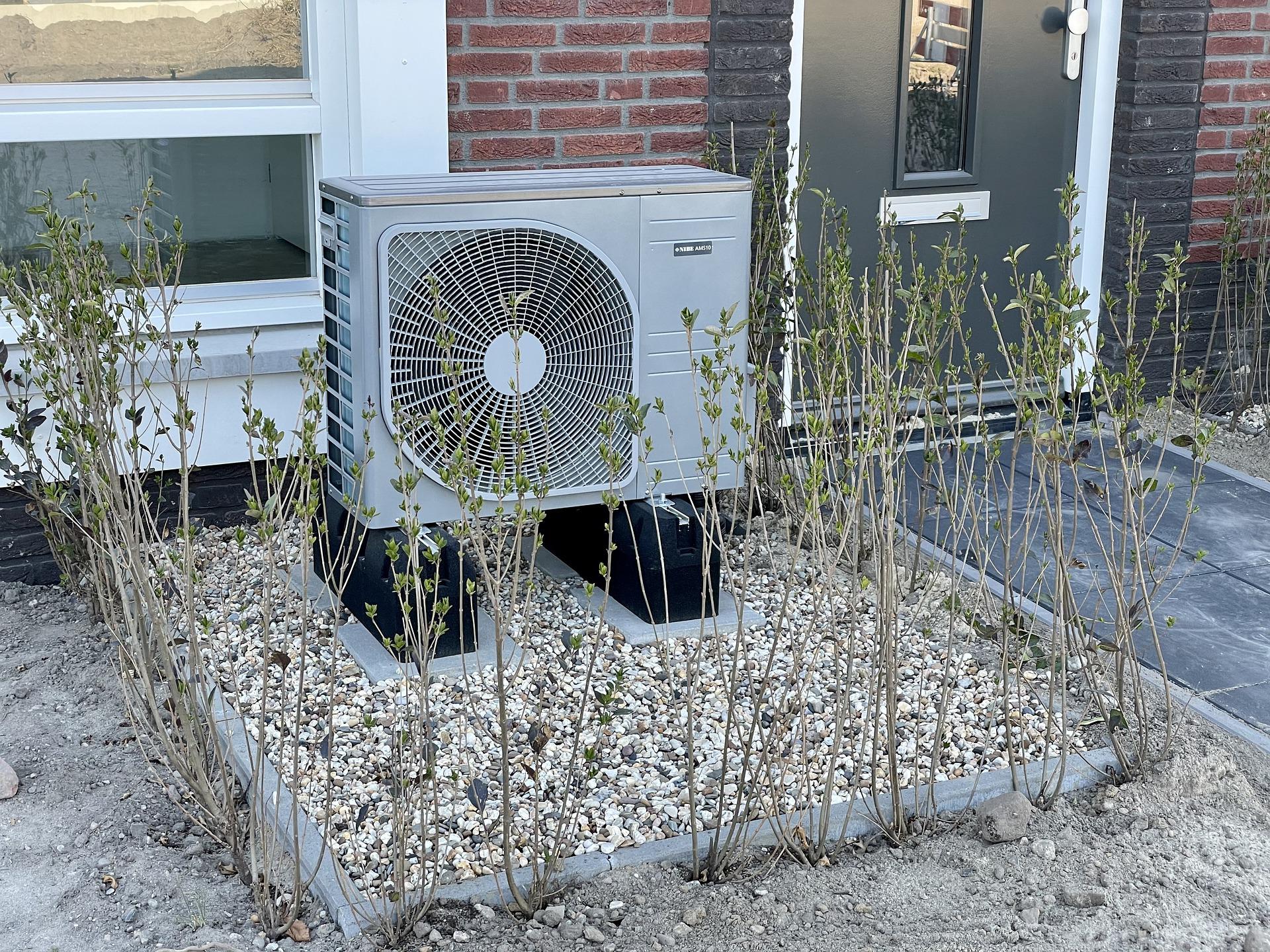
Air Source Heat Pump Maintenance: Simple Tasks to Keep Efficiency High

Heat pumps have a reputation for being low maintenance and that reputation is mostly earned. Compared to a gas boiler, air source heat pump maintenance is genuinely less involved. But less involved doesn’t mean none at all. A system that gets ignored for years becomes a system that quietly costs more to run than it should, and eventually something that was a small fix becomes a bigger one. Understanding what air source heat pump maintenance actually involves means you know what to do yourself and what to leave to someone qualified.

Most of what keeps a heat pump running well is simple. Some of it you can do yourself. The rest is handled in an annual professional visit. Here’s how it breaks down.

The Outdoor Unit

This is where most of the DIY side of air source heat pump maintenance sits, and it’s also the thing most people forget about because the unit just sits there doing nothing visible.

The outdoor unit pulls air across coils to extract heat from it. That process depends on good airflow. Leaves pile up around the base. Grass grows toward it. Ivy finds its way in if you leave it long enough. None of this announces itself as a problem, it just quietly reduces how effectively the system can do its job.

Every couple of months, walk around it and clear what’s built up. That’s genuinely all it takes most of the time. Keep a metre or so of clear space on the side where air goes in. After a frost or a decent snowfall, have a look at the coils. The system handles ice itself through a defrost cycle, but if there’s a heavy build-up that clearly hasn’t shifted on its own, that needs someone to look at it. If the coils are visibly dirty, a gentle rinse with a garden hose is fine. Turn the unit off first. Don’t touch it with a pressure washer. 

Filters

Most heat pump systems have filters somewhere in the indoor unit or air handling components. They do the same job as filters in any air conditioning system: catch airborne dust and debris before it gets into the mechanism. And like any filter, they block up over time.

It’s recommended that you check the filters at least every month after using them to make sure they are kept clean, as dirty filters can result in mold building up which will lead to internal damage so it’s crucial that you check them yourself after some time . If they’re coated grey, clean them: vacuum off the bulk with a soft brush attachment, rinse under lukewarm water, after that leave them to try and only refit when they have fully dried.

Air source heat pump maintenance that lets the filters go is one of the quieter ways efficiency drops. It doesn’t cause a sudden problem, it just makes the system work harder than it needs to for longer than it should.

Refrigerant and Pipework

The refrigerant circuit is sealed. It shouldn’t need attention between services. If the system starts losing efficiency and everything else checks out, low refrigerant is something an engineer will look at. Refrigerant work is F-gas regulated and has to be done by someone qualified. There’s no DIY version of this.

What you can check yourself is the pipework connecting the two units. Look for damage to the insulation, any joints that look like they’ve been disturbed, or wear that’s crept in over time, particularly on any exposed sections. Insulation on refrigerant pipes matters more than people realise and it does degrade, especially outdoors.

The Heat Exchanger Coils

The coils on the outdoor unit collect dirt over time, more so in areas with high pollen, near agricultural land, or anywhere with a lot of airborne dust. Dirty coils mean less efficient heat transfer, which means the system works harder for the same output.

Coil cleaning is part of a proper annual service. Between services, a visual check and a careful rinse if they’re visibly dirty is something you can do yourself. Turn the unit off, use a hose on a gentle setting, work with the fins rather than against them.

What the Annual Service Covers

The things you can do yourself are the surface-level tasks. An annual service from a qualified engineer goes further: refrigerant pressure, electrical connections, controls calibration, defrost cycle testing, overall system performance. These need the right equipment and the right training.

If the system is under warranty, servicing is almost always a condition of keeping that warranty valid. Even without a warranty, it’s what catches the issues that DIY maintenance doesn’t reach. Air source heat pump maintenance split between regular homeowner checks and annual professional servicing is what keeps a system running at the efficiency it was designed for.

Air Conditioning Direct has been installing and maintaining heat pump systems across London, Essex, Hertfordshire, and Kent for over 25 years. We cover residential and commercial systems, all engineers are fully qualified, and we offer up to a 7-year guarantee on selected equipment. More on our heat pump services here.

Seasonal Checks

Before winter: Clear the outdoor unit, check filters, make sure the defrost cycle is working. The system works harder in the cold and going in clean makes a real difference.

After winter: Check pipework insulation for damage, clear anything that’s accumulated around the unit through the colder months, rinse the coils if they’ve collected debris.

Through summer: If the system is running for cooling, check filters more often. Dust builds up faster during heavy use periods and consistent air source heat pump maintenance through summer keeps efficiency where it should be.

Things Worth Paying Attention To

Ice on the outdoor unit that the defrost cycle isn’t clearing. Noise that wasn’t there before. The system runs noticeably longer to hit the target temperature. Energy use goes up without an obvious change in how the house is being heated or cooled.

None of these mean something has definitely gone wrong, but all of them are worth a call rather than leaving until the next service. Air source heat pump maintenance works best when small things get looked at before they become bigger ones.

For anything that needs a qualified engineer, get in touch and we’ll come out.

Heat Pumps: Frequently Asked Questions

Heat pumps are a sustainable way to heat your property. Depending on the type of heat pump you invest in, they will work in slightly different ways. In the latest post from Air Conditioning Direct, we take a more in-depth look at heat pumps and the frequently asked questions surrounding them.

Heat pumps may extract thermal energy from the air, water or ground, then “pump” it into your home to provide warmth.

What Maintenance Do Heat Pumps Require?

High-quality heat pumps can be expected to last around 25-30 years and require very little maintenance.

Most ground source heat pumps will require an annual check to ensure they are working correctly. Where a ground source heat pump isn’t working correctly, it may lose up to 25% of its efficiency.

Where there is a problem with the thermostat and the temperature is set too low, the auxiliary heater could begin operating and use much more electricity than it should.

Whilst an air source heat pump also requires very little maintenance, it may be recommended by your supplier to have the heat pump serviced before winter (or summer if used for cooling).

Do I need Planning Permission?

Heat pumps of any variation, are generally allowed as permitted developments in England, but it is always advisable to double check with your local planning office before any work takes place.

How Efficient are Heat Pumps?

Heat pumps are said to be about 3-5 times more efficient than fossil fuel boilers. Due to their ability to heat an entire home during winter, heat pumps have increased in popularity in the colder climates of Scandinavia.

Air Conditioning Direct

Here at Air Conditioning Direct, we have been installing heat pumps across London for many years. If you would like more information regarding our heat pumps or the installation process, we welcome you to contact us. Please call 020 8989 8989 or send your enquiry through to our online contact form.

How Heat Pumps Work

Heat pumps are a highly energy efficient way to heat and cool residential spaces. In the latest blog post from Air Conditioning Direct, we discuss heat pumps, how they work and their advantages.

How Do Heat Pumps Work?

Heat pumps extract thermal energy from the ambient air, water or ground and transfer it into your home. An advantage of using heat pumps is that the process is fully reversible, meaning that they can be used for both heating and cooling your space.

By extracting energy from the air, Altherma heat pumps use a combination of renewable and traditional energy to heat your home and provide it with hot water.

There are a wide variety of heat pumps on the market, which work in slightly different ways, however, a professional installer will be able to inform you of the best option for your space and budget.

The Advantages of Heat Pumps

In the modern day, we are all much more aware of our impact on the environment. In addition to this, the rise of high fuel bills means that many of us are now considering alternative methods of heating our homes. Heat pumps are a highly efficient option for heating and cooling residential properties and are said to heat five times more efficiently than traditional heating systems.

It is a common misconception that alternative methods of heating your home require more maintenance, however, heat pumps require very little maintenance. What’s more, they can be connected to all standard low-temperature radiators and underfloor heating systems.

Here at Air Conditioning Direct, we have been specialising in providing tailored air conditioning systems, heat pumps and solar panels to both commercial and residential properties. If you would like to find out more about our wide range of services, we welcome you to contact us. Please call our team today on 020 8989 8989 or fill out our online enquiry form.

Advantages of Installing Heat Pumps

The advantages of heat pumps are never ending, they’re an all in one energy efficient heating and cooling system that are used in homes across the country. They extract thermal energy from the air, water or ground and pump it into your home. Air source heat pumps absorb heat from the outside air. This heat can then be used to heat radiators, underfloor heating systems or warm air convectors and hot water in your home.

Last year the European Heat Pump Market and Statistics Report 2015 concluded that there was a 3% rise in the amount of heat pumps being sold, showing that heat pumps are becoming a trend.

Here are some of the benefits of using an air source heat pump:

One of the biggest advantages is that air source heat pumps are a form of low carbon heating, essentially being a more sustainable option for your residential space, in comparison to traditional electric and gas boilers. If you’re looking to cut overall emissions, air source heat pumps use only one unit of electricity to produce 3 to 4 units of energy. Additionally, you can reduce this even further by fitting solar PV panels so it runs off clean electricity. 

Air source heat pumps can also be used throughout the year. During the hot summer months, the heat pump can convert the outside air to a cool setting, resulting in keeping everyone cool inside. As well as this, air source heat pumps also have a long lifespan. With advised yearly maintenance, air source heat pumps can last up to 25 years. Here at AC direct, we also offer a seven-year guarantee, putting your mind at rest in case of any unlikely issues.

There are also ground source heat pumps, which use pipes buried in the garden to extract heat from the ground. Again this heat can also be used to heat radiators, underfloor, water and warm air heating systems.

Here are some of the benefits of ground source heat pumps:

Ground source heat pumps have a very low running cost in comparison to electrical heating systems. This is due to very few moving parts throughout the ground source system, making the pump compressor being the only element that requires electric energy to run. They are also super reliable and require little maintenance, due to the pipes being buried into the ground. These heat pumps can last up to 20 years, making them a great investment for your home. 

Air Conditioning Direct

For a range of high quality heat pumps give our friendly team a call on 020 8989 8989 who will be happy to help you. Additionally, you can contact us through our online enquiry form.

What Size Heat Pump Do I Need?

In previous posts, we’ve discussed the advantages of heat pumps, how they work, some of the frequently asked questions around them, and their history. Now, we take a look at the various sizes of heat pumps available, and how you can ensure you invest in the most suitable size for your property.

There are two types of heat pump – air source and ground source. The type of heat pump you invest in may affect the recommended kW output and consequently the size of the pump.

Other factors that can affect the size of heat pump you require are:

  • The number of bedrooms in the property
  • Type and size of the property
  • The level of insulation/heat loss
  • The size of radiators/underfloor heating
  • The desired indoor temperature
  • Seasonal outdoor temperatures

As a rough guide, many experts recommend an output of 1 kW for every 10 metres squared. However, this measurement can change dramatically depending on the rate at which your property loses heat. 

Finding A Reliable Company

When updating the heating or cooling system in your home, working with a reliable and professional company is a must. A qualified heat pump installer will be able to inform you of the right size heat pump for your property, and provide you with answers to all your questions about the pump and its operation.

Look out for reviews and accreditations and ensure the company you work with has up to date insurance policies.

Air Conditioning Direct – Heat Pumps

We have been installing Altherma heat pumps across residential and commercial properties for many years, which have proven to be up to five times more efficient than traditional heating systems based on fossil fuels or electricity. To get your no-obligation quote today, please call 020 8989 8989 today. Alternatively, send your enquiry through to our enquiry form and we’ll be in touch with you shortly.